
There are some journeys you take for the destination, and then there are journeys that change something within you.
Kedarnath is one of them.
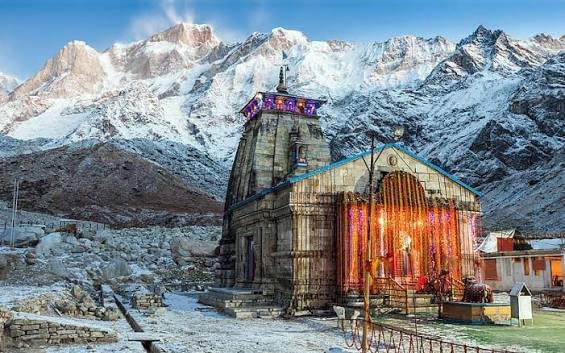
Tucked away in the majestic Himalayas of Uttarakhand, surrounded by snow-covered peaks and the powerful Mandakini River, Kedarnath is not just a temple or a pilgrimage destination. For millions of devotees, it is a place where faith feels tangible, where every difficult step becomes part of the prayer, and where the sight of Kedarnath Temple can make the entire journey feel worthwhile.
My journey to Kedarnath was not simply about visiting one of the most sacred temples in India. It was about experiencing the mountains, the people, the uncertainty of the weather, the physical challenge, and above all, that indescribable feeling of finally standing before Baba Kedarnath.
So, come along with me on this journey through Travel Muse by Sangeeta as I take you through my Kedarnath Yatra—from preparing for the trip to reaching the temple and experiencing the magic of the Himalayas.

Why I Wanted to Visit Kedarnath
Kedarnath had been on my travel list for a long time.
But unlike many other destinations, Kedarnath isn’t a place you simply decide to visit and arrive at comfortably. The journey itself is an important part of the experience.
The thought of walking through the mountains, watching the landscape change with every kilometre, hearing the sound of the Mandakini River and eventually seeing the ancient temple standing against the Himalayan backdrop felt incredibly special.
Kedarnath is also one of the Char Dham destinations of Uttarakhand and one of the most revered Shiva temples in India.
For a traveller, it is a Himalayan adventure.
For a devotee, it is a journey to Mahadev.
And perhaps that is what makes Kedarnath so unique.
The Journey to Kedarnath Begins
The excitement starts well before reaching Kedarnath.
The roads gradually leave behind the busy towns and take you deeper into the Garhwal Himalayas. The landscape changes dramatically—winding mountain roads, deep valleys, waterfalls, small villages and rivers flowing beside the route.
The closer you get to the Kedarnath region, the more you begin to feel that this isn’t going to be an ordinary trip.
The mountains become bigger.
The air becomes cooler.
And the journey becomes quieter.
At several points, you may find yourself simply looking out of the window, wondering how something so beautiful can also feel so powerful.
Sonprayag: Where the Real Journey Begins
For most pilgrims travelling towards Kedarnath, Sonprayag becomes an important point in the journey.
This is where travellers prepare for the trek towards Kedarnath.
The atmosphere here is completely different from an ordinary tourist destination. You see pilgrims of all ages preparing for the next stage of their journey.
Some are carrying backpacks.
Some are arranging their belongings.
Some are preparing for the trek.
And everywhere you hear the familiar chants:
“Har Har Mahadev!”
There is an energy here that is difficult to describe.
Everyone has their own reason for coming, but everyone is moving in the same direction—with Kedarnath in their hearts.
The Kedarnath Trek: Every Step Has a Story
The trek to Kedarnath is where the journey becomes physically demanding.
Depending on the route and current conditions, the trek involves a long mountain walk with steep sections, changing weather and high-altitude conditions.
But what makes the trek special isn’t just the destination.
It’s everything you experience along the way.


You see families walking together.
Elderly devotees continuing despite the difficult terrain.
Porters carrying heavy loads.
Pony and mule operators helping pilgrims.
Small stalls offering tea, snacks and refreshments.
And strangers encouraging each other with a simple:
“Har Har Mahadev!”
The trek can test your body, but it also gives you time to slow down and appreciate where you are.
In our everyday lives, we are always rushing.
Here, you have no choice but to take one step at a time.
And perhaps that is part of the lesson of Kedarnath.
The Beauty of the Himalayas
One of the most beautiful parts of the Kedarnath journey is the landscape.
The mountains seem endless.
The Mandakini River accompanies the journey in many places, while waterfalls appear along the rocky slopes.
The weather can change quickly. One moment you may be walking under a clear sky, and minutes later clouds can cover the mountains.
And when the clouds disappear again, the Himalayan peaks reveal themselves like a painting.
For someone who loves travel photography and storytelling, there is something magical about every frame here.
But photographs don’t completely capture Kedarnath.
You have to experience the cold wind.
You have to hear the river.
You have to feel the mountain beneath your feet.
And you have to see the temple yourself.
Finally Reaching Kedarnath
After hours of walking, there comes a moment when the exhaustion almost disappears.
You see it.
Kedarnath Temple.
Standing majestically amidst the mountains, the ancient stone temple looks almost unreal.


The first sight of the temple is emotional for many pilgrims.
After all those kilometres, all the preparation, the physical effort and the changing weather, you have finally arrived.
And suddenly, the only thought is:
“Mahadev ke darshan ho gaye.”
There are moments during travel when you don’t need words.
This is one of them.
Kedarnath Temple: A Sacred Abode of Mahadev
Kedarnath Temple is dedicated to Lord Shiva and is one of the twelve Jyotirlingas.
It is located at an elevation of more than 3,500 metres above sea level, making the journey challenging not only because of the distance but also because of the high altitude.
The temple’s ancient stone architecture beautifully complements its Himalayan surroundings.
Massive stone walls, the sacred atmosphere and the mountains rising behind the temple create a sight that stays with you long after you leave.
Inside the temple, devotees seek blessings from the naturally formed Shiva lingam, traditionally associated with the hump of Shiva in the form of the bull.
The Legend Behind Kedarnath
Kedarnath is deeply connected with the story of the Pandavas.
According to Hindu tradition, after the Kurukshetra war, the Pandavas wanted to seek forgiveness from Lord Shiva for the destruction caused during the battle.
Shiva did not want to meet them and is said to have taken the form of a bull.
When the Pandavas recognised him, Shiva disappeared into the ground.
Different parts of the divine form are believed to have appeared at different places associated with the Panch Kedar temples.
At Kedarnath, the hump is believed to have appeared.
This ancient legend is one of the reasons Kedarnath holds such an important place in Shaivite tradition.
Whether you come here as a pilgrim or as a traveller fascinated by India’s stories and heritage, these legends add another layer to the experience.
The 2013 Kedarnath Disaster
A Kedarnath journey cannot be discussed without remembering the devastating floods of 2013.
The catastrophic floods and landslides caused enormous destruction across Uttarakhand, with Kedarnath among the worst-affected areas.
The temple itself survived, while the surrounding region suffered tremendous damage.
The huge boulder that came to rest behind the temple during the disaster is now widely known as Bhim Shila and is regarded by many devotees as having protected the temple.
The tragedy remains a painful part of Kedarnath’s modern history.
At the same time, the rebuilding and continuing pilgrimage reflect the resilience of the local communities and devotees.
My Experience at Kedarnath
For me, the most memorable part of Kedarnath wasn’t just reaching the temple.
It was everything that happened in between.
The tiredness.
The cold.
The changing weather.
The people I met.
The chants echoing through the mountains.
The moments when I wanted to stop.
And then taking another step.
Travel often teaches us things that no itinerary can explain.
Kedarnath reminded me that sometimes the most meaningful journeys are the ones that demand something from you.
Here, the destination doesn’t come easily.
You earn every view.
You feel every kilometre.
And when you finally stand before Mahadev, you understand why so many people return to Kedarnath again and again.
Best Time to Visit Kedarnath
The Kedarnath temple is located in a high-altitude Himalayan region, so the pilgrimage season is limited and depends on the annual opening and closing schedule.
For travellers, the main pilgrimage season generally falls during the warmer months before the onset of severe winter conditions.
However, weather in the Himalayas can change rapidly, and conditions can affect roads, trekking routes and helicopter services.
Before planning your trip, always check the latest official updates regarding:
- Temple opening dates
- Weather conditions
- Trek status
- Registration requirements
- Road conditions
- Helicopter services
- Accommodation availability
Don’t plan a Kedarnath trip only according to a fixed calendar. Mountain conditions should always be given priority.
What to Pack for Kedarnath
Packing correctly can make a huge difference to your experience.
Essential things to carry:
- Warm layers and a waterproof jacket
- Comfortable trekking shoes
- Woollen socks
- Gloves and cap
- Sunglasses
- Sunscreen
- Personal medicines
- Basic first-aid supplies
- Reusable water bottle
- Power bank
- Small backpack
- Rain protection
- Identity documents
- Necessary registration/booking documents
And most importantly, pack light.
You don’t want a heavy bag becoming another challenge during the trek.
Kedarnath Travel Tips
1. Prepare physically
The trek can be demanding, especially if you’re not used to long-distance walking.
Start preparing your body several weeks before your trip.
2. Don’t underestimate the altitude
High altitude can affect people differently. Walk slowly, stay hydrated and listen to your body.
3. Check weather before leaving
Mountain weather can change quickly. Always check the latest forecast and local advisories.
4. Keep some buffer days
Don’t create an itinerary where everything depends on reaching the next destination at a specific time.
Mountain travel needs flexibility.
5. Respect the environment
Avoid plastic waste and don’t leave anything behind on the trail.
Kedarnath is not just a pilgrimage site—it is a fragile Himalayan ecosystem.
6. Respect local communities
Thousands of local workers, porters, shopkeepers, drivers and guides depend on the pilgrimage season.
Treat them respectfully and support local businesses wherever possible.
Kedarnath Is More Than a Destination
When we talk about Kedarnath, we often talk about the temple.
But the real experience begins long before you reach it.
It is in the mountain roads.
In the sound of the Mandakini.
In the first glimpse of the snow-covered peaks.
In the people walking beside you.
In the chants echoing through the valley.
In the exhaustion of the trek.
And finally, in that quiet moment when you stand before Baba Kedarnath.
Maybe that’s why Kedarnath stays in your heart.
Because you don’t simply visit Kedarnath.
You experience it.
And somewhere between the mountains and Mahadev, you may discover a quieter version of yourself.
Har Har Mahadev. 🙏
Kedarnath Yatra: Quick Travel Guide
| Detail | Information |
|---|---|
| Destination | Kedarnath, Uttarakhand |
| Main attraction | Kedarnath Temple |
| Dedicated to | Lord Shiva |
| Religious significance | One of the 12 Jyotirlingas |
| Region | Garhwal Himalayas |
| Approx. altitude | 3,500+ metres |
| Main access point for trek | Sonprayag |
| Best season | During the official pilgrimage season |
| Experience | Pilgrimage + Himalayan trekking + nature |
Frequently Asked Questions
Is Kedarnath difficult to reach?
Yes. The journey involves road travel followed by a high-altitude trek or other authorised modes of access. Physical preparation is helpful.
How many days are needed for Kedarnath?
A comfortable trip generally requires multiple days because of travel time, the trek, darshan and possible weather-related delays.
Can children and senior citizens visit Kedarnath?
They can, but high altitude and the demanding journey require careful planning. Medical and official travel guidance should be considered.
What should I wear in Kedarnath?
Layered warm clothing, waterproof outerwear, comfortable trekking shoes, gloves and a cap are useful because temperatures can change quickly.
Is Kedarnath only for religious travellers?
No. While it is primarily a major pilgrimage destination, the Himalayan landscape, culture, history and architecture also make it significant for travellers interested in nature and heritage.
Meta Description:
URL Slug: kedarnath-yatra-travel-guide
Secondary Keywords:
