
Embark on an unforgettable solo trip to Vietnam!
Discover stunning landscapes, rich culture, and hidden gems in our ultimate travel guide tailored just for you.
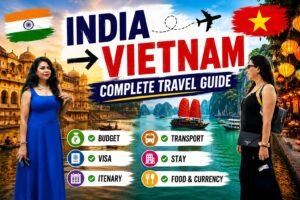
Why Choose Vietnam for Your Solo Adventure?
Vietnam is a land of captivating contrasts, where ancient traditions blend seamlessly with modern dynamism. As a solo traveler, the country offers a unique blend of experiences that cater to a variety of interests and preferences. From its sprawling rice terraces and bustling cities to its tranquil beaches and historic landmarks, Vietnam provides a rich tapestry of sights and sounds that are bound to leave an indelible mark on any traveler. The country’s affordability, friendly locals, and well-trodden tourist paths make it an ideal destination for solo adventurers seeking both comfort and excitement.
One of the most compelling reasons to choose Vietnam for a solo trip is the sense of adventure it instills. Navigating through bustling markets, serene temples, and picturesque countryside is a journey of discovery. Each region boasts its own distinct charm, and as a solo traveler, you’ll have the freedom to explore at your own pace. Whether you’re trekking through the lush mountains of Sapa, cruising along the emerald waters of Ha Long Bay, or delving into the historic quarters of Hanoi, Vietnam’s diverse landscapes promise a unique adventure at every turn.
Moreover, Vietnam’s cultural richness is a treasure trove for solo travellers eager to immerse themselves in local traditions and customs. From participating in vibrant festivals to learning the art of Vietnamese cooking, the opportunities for cultural engagement are endless. The country’s history, reflected in its numerous UNESCO World Heritage sites and ancient architecture, provides a fascinating backdrop for your journey. Engaging with the local culture not only enhances your travel experience but also fosters a deeper appreciation for the country’s heritage and way of life.
Best Time to Visit Vietnam
Vietnam’s climate varies significantly from north to south, making it essential to plan your visit according to the regions you intend to explore. Generally, the best time to visit Vietnam is during the spring (March to April) and autumn (September to November) when the weather is most favourable across the country. During these months, you’ll experience moderate temperatures, minimal rainfall, and clear skies, providing ideal conditions for sightseeing and outdoor activities.
In the northern regions, including Hanoi and Sapa, the winter months (December to February) can be quite chilly, with temperatures dropping to as low as 10°C (50°F). However, this period also offers the unique charm of misty landscapes and a serene atmosphere. Conversely, the summer months (May to August) in the north can be hot and humid, with occasional heavy rains. If you plan to visit Ha Long Bay or trek in Sapa, it’s advisable to avoid the peak summer months to ensure a more comfortable experience.
The central region, encompassing cities like Hue, Da Nang, and Hoi An, experiences a more tropical climate. The best time to visit this area is from February to May when the weather is warm and dry. The rainy season here lasts from September to December, with the potential for typhoons affecting coastal areas. In the southern regions, including Ho Chi Minh City and the Mekong Delta, the climate is consistently warm throughout the year. The dry season (December to April) is the ideal time to visit, as the wet season (May to November) brings heavy rains and occasional flooding.
Essential Travel Tips for Solo Travelers
Traveling solo in Vietnam can be an incredibly rewarding experience, but it’s important to be well-prepared to ensure a smooth and enjoyable journey. One of the first things to consider is obtaining a visa. Depending on your nationality, you may need to apply for a visa in advance or upon arrival. It’s crucial to check the latest visa requirements and ensure your passport is valid for at least six months beyond your planned departure date.
Packing wisely is another key aspect of solo travel. Vietnam’s diverse climate means you’ll need to bring a variety of clothing suitable for different weather conditions. Lightweight, breathable fabrics are ideal for the hot and humid regions, while warmer layers are necessary for the cooler northern areas. Additionally, comfortable walking shoes are a must, as you’ll likely be doing a lot of exploring on foot. Don’t forget essentials like sunscreen, insect repellent, and a reusable water bottle to stay hydrated.
Staying connected and informed is vital for solo travelers. Purchasing a local SIM card upon arrival will allow you to access maps, contact accommodations, and stay in touch with loved ones. It’s also helpful to download offline maps and translation apps to navigate and communicate more easily. Familiarizing yourself with some basic Vietnamese phrases can go a long way in enhancing your travel experience and showing respect to the local culture. Lastly, always carry a copy of your important documents, such as your passport and travel insurance, in case of emergencies.
Top Destinations for Solo Travelers in Vietnam
Vietnam is brimming with must-visit destinations that offer unique experiences for solo travelers. Hanoi, the capital city, is a perfect starting point. Its Old Quarter is a maze of narrow streets, bustling markets, and historic sites. Here, you can immerse yourself in the vibrant street life, visit the Hoan Kiem Lake, and explore the Temple of Literature. The city’s rich history and culture, combined with its lively atmosphere, make it an ideal destination for solo adventurers.
Further north, Sapa is a haven for nature lovers and trekking enthusiasts. Nestled in the Hoang Lien Son mountains, Sapa is renowned for its breathtaking rice terraces, ethnic minority villages, and stunning landscapes. Solo travelers can join guided treks or explore the area independently, meeting local villagers and experiencing their traditional way of life. The cool climate and serene environment provide a refreshing escape from the hustle and bustle of city life.
In central Vietnam, Hoi An stands out as a charming and picturesque town. Known for its well-preserved Ancient Town, Hoi An is a UNESCO World Heritage site that exudes a timeless beauty. The town’s lantern-lit streets, historic architecture, and riverside cafes create a magical ambiance. Solo travelers can take part in cooking classes, bike tours, and lantern-making workshops, making it a perfect destination for those seeking cultural immersion and relaxation.
Navigating Vietnam: Transportation Options
Getting around Vietnam as a solo traveler is relatively straightforward, thanks to the country’s well-developed transportation network. For long-distance travel, domestic flights are a convenient and time-saving option. Vietnam Airlines, VietJet Air, and Bamboo Airways offer regular flights between major cities, allowing you to cover large distances quickly and comfortably. Booking flights in advance can often secure better deals and ensure availability.
For a more scenic and leisurely journey, the train is an excellent alternative. Vietnam’s Reunification Express runs from Hanoi to Ho Chi Minh City, passing through picturesque landscapes and offering a unique perspective of the country. While train travel may take longer than flying, it provides an opportunity to relax, meet fellow travelers, and enjoy the changing scenery. Sleeper trains are available for overnight journeys, ensuring a comfortable and restful trip.
Within cities, various transportation options cater to solo travelers. Taxis and ride-hailing services like Grab are widely available and provide a convenient way to get around. For shorter distances, motorbike taxis (xe om) are a popular choice, offering a quick and affordable means of transportation. If you prefer more independence, renting a motorbike or bicycle is a great way to explore at your own pace. Be sure to familiarize yourself with local traffic rules and safety precautions before hitting the road.
Accommodation Choices for Solo Travelers
Vietnam offers a wide range of accommodation options to suit every budget and preference, making it easy for solo travelers to find a comfortable place to stay. Hostels are a popular choice for solo adventurers, providing an affordable and social environment. Many hostels offer dormitory-style rooms as well as private rooms, along with communal spaces where you can meet fellow travelers and exchange tips and stories. Hostels are often centrally located, making it convenient to explore the surrounding area.
For those seeking a bit more privacy and comfort, guesthouses and budget hotels are abundant throughout Vietnam. These accommodations typically offer clean and comfortable rooms with basic amenities such as Wi-Fi, air conditioning, and en-suite bathrooms. Guesthouses often have a homely feel, with friendly staff who can provide valuable local insights and assistance with travel arrangements. Staying in a guesthouse allows you to experience the warmth and hospitality of Vietnamese culture.
If you’re looking for a more luxurious experience, Vietnam boasts a variety of boutique hotels and resorts that cater to solo travelers. These accommodations offer a higher level of comfort and service, with amenities such as swimming pools, spa facilities, and on-site restaurants. Boutique hotels often feature unique and stylish decor, creating a memorable and personalized stay. Whether you prefer the bustling atmosphere of a city hotel or the tranquility of a beachfront resort, you’re sure to find the perfect accommodation to enhance your solo travel experience.
Must-Try Vietnamese Cuisine
Vietnamese cuisine is a culinary adventure that should not be missed. As a solo traveler, you have the freedom to explore and indulge in a wide array of delicious dishes that reflect the country’s diverse flavors and ingredients. One of the most iconic Vietnamese dishes is pho, a fragrant noodle soup typically made with beef or chicken, herbs, and spices. Pho is a staple breakfast dish and can be found at street stalls and restaurants throughout the country. Each region has its own variation, so be sure to try different versions as you travel.
Another must-try dish is banh mi, a Vietnamese sandwich that has gained international popularity. Banh mi is made with a crispy baguette filled with various ingredients such as pate, grilled meats, pickled vegetables, and fresh herbs. The combination of flavors and textures makes it a satisfying and convenient meal for solo travelers on the go. Banh mi stalls are ubiquitous, and each vendor offers their own unique twist on this classic sandwich.
For a truly local experience, don’t miss out on the vibrant world of Vietnamese street food. From savory pancakes (banh xeo) and fresh spring rolls (goi cuon) to hearty rice dishes (com tam) and delectable desserts (che), the options are endless. Street food markets and night markets are bustling with activity and offer a chance to sample a variety of dishes in one place. Engaging with street food vendors and fellow diners adds to the overall experience, allowing you to savor the essence of Vietnamese cuisine.
Safety Tips for Solo Travelers in Vietnam
Safety is a top priority for solo travelers, and Vietnam is generally considered a safe destination. However, like any travel experience, it’s important to stay vigilant and take precautions to ensure a worry-free journey. One of the most common safety concerns in Vietnam is petty crime, such as pickpocketing and bag snatching. To minimize the risk, keep your belongings secure and be aware of your surroundings, especially in crowded areas and tourist hotspots.
When it comes to transportation, exercise caution when using motorbikes and taxis. If you choose to rent a motorbike, make sure you have the necessary license and insurance, and wear a helmet at all times. Only use reputable rental companies and inspect the bike for any issues before setting off. For taxis, it’s advisable to use registered companies or ride-hailing apps like Grab to avoid scams and ensure fair pricing. Always double-check the route and fare before starting your journey.
Health and hygiene are also important considerations for solo travelers. While tap water in Vietnam is not safe to drink, bottled water is widely available. Be cautious with street food and choose vendors with high turnover to ensure freshness. It’s a good idea to carry a basic first-aid kit and any necessary medications. Before traveling, check if any vaccinations are recommended and ensure your travel insurance covers medical emergencies. Staying informed and prepared will help you navigate any challenges and fully enjoy your solo adventure in Vietnam.
Engaging with Locals: Cultural Etiquette
One of the most rewarding aspects of solo travel in Vietnam is the opportunity to engage with locals and learn about their culture and way of life. Vietnamese people are known for their hospitality and friendliness, and a little cultural awareness goes a long way in fostering positive interactions. When greeting someone, a slight bow or nod of the head is a common gesture of respect. In more formal settings, such as temples or official events, a full bow may be appropriate.
When visiting religious sites, it’s important to dress modestly and respectfully. Both men and women should cover their shoulders and knees, and it’s customary to remove your shoes before entering temples or pagodas. Showing respect for local customs and traditions is appreciated and helps you connect with the community. Additionally, using both hands when giving or receiving items, such as money or gifts, is a sign of politeness and respect.
Learning a few basic Vietnamese phrases can greatly enhance your interactions with locals. Simple greetings like “xin chao” (hello) and “cam on” (thank you) are always appreciated. Even if your pronunciation isn’t perfect, making an effort to speak the language shows respect and openness. Engaging with locals through activities such as cooking classes, village tours, or cultural workshops provides valuable insights into Vietnamese life and creates memorable experiences that enrich your solo travel adventure.
Conclusion: Embrace the Adventure of Solo Travel in Vietnam
Embarking on a solo trip to Vietnam is an unforgettable journey filled with breathtaking landscapes, rich cultural experiences, and warm hospitality. The country’s diverse regions offer a wealth of opportunities for exploration, from the bustling streets of Hanoi and the serene rice terraces of Sapa to the historic charm of Hoi An and the vibrant energy of Ho Chi Minh City. As a solo traveler, you’ll have the freedom to chart your own course, discover hidden gems, and create memories that will last a lifetime.
With careful planning and an open mind, solo travel in Vietnam can be both safe and immensely rewarding. Embracing the local culture, trying new foods, and engaging with friendly locals will deepen your understanding and appreciation of this fascinating country. Whether you’re seeking adventure, relaxation, or cultural immersion, Vietnam has something to offer every solo traveler. So pack your bags, set off on your own path, and embrace the adventure that awaits in Vietnam.
In summary, a solo trip to Vietnam is a journey of discovery and self-discovery. The country’s stunning landscapes, rich traditions, and welcoming people create an ideal environment for solo adventurers. By following the tips and insights provided in this guide, you’ll be well-equipped to navigate Vietnam with confidence and make the most of your travel experience. So go ahead, take the leap, and embark on an unforgettable solo adventure in Vietnam.

komal
June 17, 2026Best place to visit in Vietnam?